

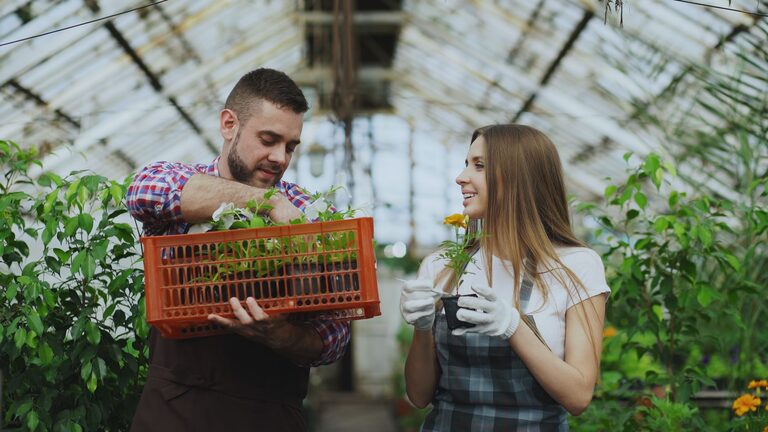
Creating a sustainable home garden that flourishes year-round is a rewarding way to connect with nature, reduce your carbon footprint, and enjoy fresh, healthy produce. Whether you have a large backyard or a small balcony, there are many strategies to design and maintain a garden that supports the environment and your lifestyle throughout all seasons.
In this post, we’ll explore practical tips to help you build and care for a sustainable garden all year long. From planning and planting to soil care and pest management, these ideas will guide you to create a green space that benefits both you and the planet.
Why Choose a Sustainable Home Garden?
A sustainable garden focuses on reducing waste, conserving resources, and promoting biodiversity. By creating a garden with sustainability in mind, you:
– Save water and energy through smart practices.
– Reduce the need for synthetic fertilizers and pesticides.
– Encourage wildlife like pollinators and beneficial insects.
– Minimize garden waste by composting and reusing materials.
– Grow your own food, reducing trips to the store and plastic packaging.
With this approach, your garden becomes part of a healthy ecosystem and a source of joy and nourishment year-round.
Planning Your Year-Round Sustainable Garden
Proper planning sets the foundation for a thriving sustainable garden. Here are some important steps to consider:
1. Assess Your Space and Climate
– Evaluate the size, sunlight exposure, soil type, and drainage.
– Understand your local climate and hardiness zone to choose appropriate plants.
– Consider microclimates in your garden, such as shady corners or windbreaks.
2. Choose Native and Adapted Plants
– Select native or well-adapted plants that require less water and care.
– Incorporate perennials, shrubs, and trees that provide structure and habitat.
– Include edible plants like herbs, vegetables, and fruit bushes suited for your region.
3. Design for Seasonal Interest and Productivity
– Plan for plants that thrive in different seasons to ensure year-round greenery and harvest.
– Use crop rotation and interplanting to maintain soil health and reduce pests.
– Include cover crops or green manures in off-seasons to enhance soil fertility.
Sustainable Soil and Water Practices
Healthy soil and efficient water use are critical to a sustainable garden.
1. Build Healthy Soil Naturally
– Add organic matter such as compost, leaf mold, or well-rotted manure to improve soil structure and nutrients.
– Avoid chemical fertilizers; use natural amendments like bone meal or seaweed extracts if needed.
– Practice mulching to retain moisture, suppress weeds, and enrich soil as it decomposes.
2. Conserve and Reuse Water
– Collect rainwater in barrels for irrigation.
– Water early in the morning or late in the evening to reduce evaporation.
– Use drip irrigation or soaker hoses to deliver water directly to plant roots.
– Group plants with similar water needs together to avoid waste.
Year-Round Planting and Maintenance Tips
Maintaining your garden throughout the year ensures continued growth and sustainability.
1. Rotate Crops and Practice Companion Planting
– Rotate vegetable families each season to prevent soil nutrient depletion and control pests.
– Plant complementary species together to improve growth and reduce harmful insects.
2. Use Organic Pest Management
– Encourage beneficial insects like ladybugs and lacewings by growing flowering plants.
– Manually remove pests or use homemade organic sprays (e.g., neem oil or garlic spray) when necessary.
– Avoid chemical pesticides that harm pollinators and beneficial organisms.
3. Extend the Growing Season
– Use cold frames, row covers, or cloches to protect plants against frost in colder months.
– Try succession planting: sow new seeds every few weeks for continual harvest.
– Incorporate hardy crops that can survive cooler weather, such as kale, carrots, and Brussels sprouts.
4. Harvest and Preserve Responsibly
– Harvest crops at peak ripeness to enjoy maximum flavor and nutrition.
– Preserve surplus produce through freezing, drying, or canning to reduce waste.
– Save seeds from heirloom varieties to plant next season.
Composting and Waste Reduction
Turning garden and kitchen waste into compost nourishes your soil and reduces landfill waste.
– Set up a compost bin or pile in a convenient spot.
– Include vegetable scraps, coffee grounds, grass clippings, and dry leaves.
– Avoid adding meat, dairy, or diseased plants.
– Turn the compost regularly for aeration and faster decomposition.
– Use finished compost as a rich soil amendment throughout the year.
Supporting Wildlife and Biodiversity
A sustainable garden welcomes wildlife, which helps balance the garden ecosystem.
– Plant flowering species to attract bees, butterflies, and hummingbirds.
– Create habitat features such as birdhouses, insect hotels, or small water sources.
– Leave some leaf litter or dead wood in areas to provide shelter for beneficial organisms.
– Avoid disturbing wildlife and minimize use of harmful chemicals.
Final Thoughts
Building and maintaining a sustainable home garden throughout the year is a gratifying way to live closer to nature while supporting the environment. By planning wisely, caring for your soil, conserving resources, and embracing natural pest control, your garden can thrive in every season.
With patience and creativity, you can enjoy fresh fruits, vegetables, herbs, and beautiful plants year-round—while reducing waste, saving water, and giving back to the ecosystem. Happy gardening!