

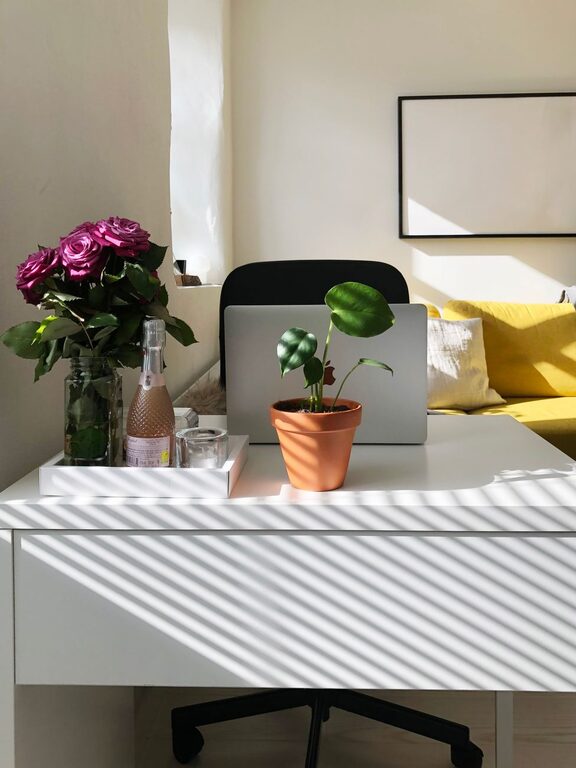
Creating a productive home workspace has become essential for many people who work remotely or spend significant time on personal projects at home. The right environment can improve focus, reduce distractions, and help maintain a healthy work-life balance. Whether you have a dedicated room or just a small corner, these tips will help you set up a workspace that supports your productivity and well-being.
1. Choose the Right Location
Prioritize Natural Light
Position your workspace near a window if possible. Natural light helps reduce eye strain, boosts mood, and increases alertness throughout the day.
Minimize Distractions
Select a quiet area, away from household traffic and noise. If space is limited, consider noise-cancelling headphones to create an auditory barrier.
Assess Space and Comfort
Make sure the area has enough room for your desk, computer, and other essentials. Avoid cluttered spots that might stress you out rather than inspire you.
2. Invest in Ergonomic Furniture
Comfortable Chair
Invest in a chair that supports your lower back and encourages good posture. Adjustable chairs allow you to customize the height and angle to your comfort.
Desk Height and Size
Choose a desk that fits your needs and is at a proper height to avoid strain on your wrists and shoulders. Consider standing desks or adjustable options for variety.
Monitor Placement
Place your monitor at eye level and about an arm’s length away. This prevents neck strain and reduces the risk of headaches.
3. Organize Your Workspace Efficiently
Declutter Daily
Keep your desk tidy by putting things away at the end of each workday. A clutter-free desk helps create a clearer mind.
Use Storage Solutions
Use drawers, shelves, and organizers to store documents and office supplies neatly. Labeling storage containers can save time and reduce frustration.
Cable Management
Keep cables organized and out of sight with cable trays, clips, or ties. This not only looks cleaner but also prevents accidental unplugging.
4. Personalize Without Overcrowding
Add Plants
Houseplants can make your workspace feel more inviting and even improve air quality.
Inspirational Items
A favorite photo, a small artwork, or an inspiring quote can boost motivation but avoid overloading your desk with too many personal items.
Lighting Choices
Consider desk lamps with adjustable brightness to complement natural light, especially during evening working hours.
5. Establish a Routine and Boundaries
Designate Work Hours
Set clear start and stop times to help maintain a balance between work and personal life.
Create a Pre-Work Ritual
This could be making a cup of coffee, reviewing your to-do list, or a few minutes of stretching to mentally prepare for the day.
Limit Distractions
Turn off non-essential notifications and keep your phone out of reach if it’s a frequent distraction.
6. Incorporate Breaks and Movement
Schedule Regular Breaks
Use techniques like the Pomodoro Technique—working for 25 minutes followed by a 5-minute break—to maintain focus and avoid burnout.
Stretch and Move
Stand up, stretch, or walk around every hour. Movement helps reduce physical tension and refreshes your mind.
7. Use Technology Wisely
Reliable Internet Connection
Ensure your workspace has strong Wi-Fi to avoid disruptions during work calls or downloads.
Essential Tools
Use productivity apps, cloud storage, and communication tools that suit your work style.
Backup Power
Consider a surge protector or uninterruptible power supply for your devices to prevent data loss during outages.
—
Creating a home workspace tailored to your needs and habits can make your work more enjoyable and efficient. With thoughtful planning and small adjustments, you can transform any space into a productive environment that helps you focus and feel comfortable all day long.