

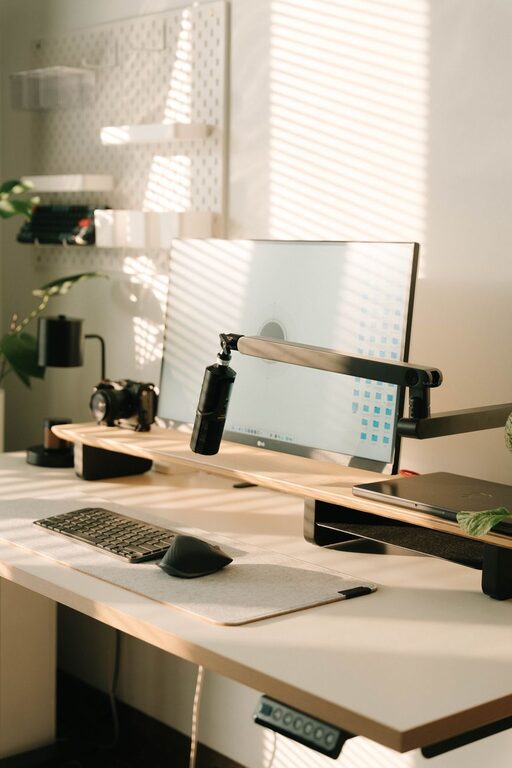
Creating a home office that is both cozy and functional can greatly improve your productivity and overall work satisfaction. Whether you work remotely full-time or occasionally need a quiet place to focus, setting up the right environment helps you stay comfortable and organized. In this post, we’ll explore practical tips to design a home office space that feels inviting and supports your work needs.
Why a Cozy and Functional Office Matters
Your workspace influences how well you can focus, think creatively, and manage tasks throughout the day. An office that feels cozy reduces stress and helps maintain motivation. Meanwhile, functionality ensures that everything you need is at hand and the space supports your workflow efficiently.
Balancing these two aspects creates a well-rounded office that supports your health, comfort, and productivity.
Choose the Right Location and Layout
Pick a Quiet, Well-Lit Spot
Location is key. Find a corner or room with minimal distractions and good natural light. Natural lighting has been shown to improve mood and energy levels. Position your desk near a window if possible.
If natural light is limited, invest in quality desk lamps or overhead lights that mimic daylight.
Optimize Your Desk Placement
Arrange your desk so you have a clear view and can comfortably access your tools. Avoid placing your back to the door or window to prevent glare and distractions. Consider an “L” shaped desk if you need extra surface area without clutter.
Keep Traffic Flow in Mind
Make sure your office layout doesn’t block walking paths or feel cramped. You want enough space to move around easily, stretch, or even take brief breaks without feeling confined.
Invest in Comfortable and Supportive Furniture
Ergonomic Chair
A good chair is essential. Choose one that supports your lower back and encourages proper posture. Adjustable height and armrests allow you to tailor it to your body’s needs.
Functional Desk
Select a desk with enough space for your computer, paperwork, and essential accessories. Some desks come with built-in storage to help keep things tidy.
Extra Seating Area
If space allows, add a small armchair or reading nook. This gives you a cozy spot for reading or brainstorming away from the desk.
Personalize Your Space for Comfort and Inspiration
Use Soft Textiles
Adding rugs, cushions, or soft curtains can make your home office feel warm and inviting. Choose fabrics in calming colors or patterns that you enjoy.
Incorporate Plants
Houseplants improve air quality and add a natural touch to the room. Even small succulents or herbs near your desk can boost your mood.
Display Personal Items
Photos, artwork, or meaningful objects can make the space uniquely yours. Just be careful not to overcrowd your desk or walls.
Organize and Declutter
Use Storage Solutions
Keep your desk clear by using organizers, shelves, or filing cabinets. Labeling drawers and containers helps you find items quickly.
Manage Cords and Electronics
Prevent tangled cables by using clips or cable organizers. This reduces visual clutter and keeps your workspace safer.
Regularly Declutter
Take a few minutes at the end of each day to tidy up. A neat workspace sets a positive tone for the next work session.
Optimize Lighting for Comfort and Productivity
Layer Your Lighting
Combine ambient, task, and accent lighting to avoid eye strain. Adjustable desk lamps help focus light where you need it most.
Avoid Screen Glare
Position screens perpendicular to windows or use blinds to control bright sunlight. This eases eye fatigue during long work hours.
Create Boundaries Between Work and Home Life
Use Physical Dividers
If your office is in a shared space, consider room dividers, curtains, or bookshelves to separate work from home activities visually.
Set Work Hours
Clearly define when work starts and ends to maintain balance. Having a dedicated space helps you “leave work” by stepping away from your office.
Keep Technology Efficient and Up to Date
Invest in Reliable Equipment
Make sure your computer, internet connection, and peripherals are fast and dependable. This reduces frustration and boosts productivity.
Use Productivity Tools
Apps for task management, time tracking, or note-taking keep you organized and focused.
Final Thoughts
Designing a home office that is both cozy and functional doesn’t require a large budget or complicated renovations. Thoughtfully selecting your location, furniture, and decor, combined with efficient organization, can transform your workspace into a place you look forward to using every day. Prioritize comfort and practicality to build a home office that supports your best work life.
—
By applying these tips, you can craft a home office environment that nurtures both your well-being and efficiency. Start small and adjust as you discover what makes you feel most productive and comfortable. Happy working!