

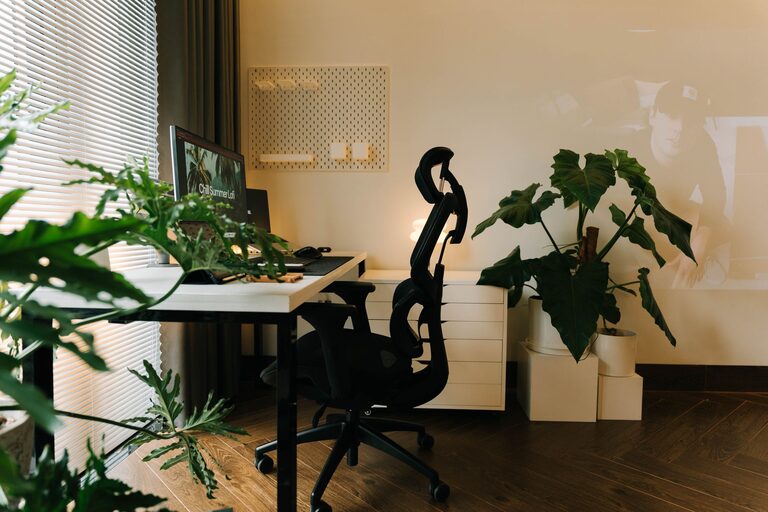
Working from home has become more common than ever, making a well-designed home office essential for staying productive and comfortable throughout the day. Whether you have a dedicated room or a corner in your living area, creating a space that supports your work and wellbeing can make a big difference. Here are some helpful tips to design your ideal home office space.
Choose the Right Location
The first step in creating a productive home office is selecting the best spot. Consider the following when choosing a location:
– Natural light: Try to set up near a window to take advantage of daylight, which can improve mood and energy.
– Quiet environment: Pick a space away from household noise and distractions to maintain focus.
– Space and layout: Ensure you have enough room for your desk, chair, and storage needs, allowing comfortable movement.
If a separate room isn’t available, even a small corner organized thoughtfully can work well.
Invest in Ergonomic Furniture
Comfort is key when spending long hours at a desk. Ergonomic furniture supports good posture and reduces strain.
– Chair: Look for an adjustable chair with lumbar support and cushioning for your back.
– Desk: Choose a desk at the right height for typing and writing; adjustable or standing desks are also great options.
– Monitor positioning: Place your computer screen at eye level about 20–30 inches from your face to avoid neck and eye strain.
Using the right furniture helps prevent discomfort and improves concentration.
Organize with Purpose
A clutter-free workspace keeps your mind clear and reduces stress.
– Declutter regularly: Remove items that aren’t essential to your work.
– Storage solutions: Use shelves, filing cabinets, or desk organizers to keep papers, supplies, and electronics tidy.
– Cable management: Use clips or sleeves to keep cords under control and off your desk.
Keeping your office organized makes it easier to find things and creates a calmer atmosphere.
Personalize Your Space
Adding a personal touch can make your home office feel welcoming and inspiring.
– Colors: Choose colors that energize or calm you, depending on your preference.
– Decor: Add plants, artwork, or photos that bring you joy without overcrowding the area.
– Lighting: Incorporate a desk lamp or ambient lighting to complement natural light, especially for working in the evenings.
Personalization helps you feel comfortable and motivated in your work zone.
Minimize Distractions
Focus is crucial for productivity, so try to limit interruptions.
– Set boundaries: Communicate your work hours to family or roommates.
– Sound control: Use noise-canceling headphones or background music to drown out distractions.
– Digital discipline: Turn off non-essential notifications and use browser extensions to block distracting sites if needed.
Creating a distraction-free environment supports deeper concentration and efficiency.
Promote Good Air Quality and Comfort
Your physical comfort affects your ability to work well.
– Air circulation: Open windows when possible or use a fan or air purifier to keep fresh air flowing.
– Temperature control: Adjust heating or cooling to a comfortable level—usually between 68–72°F.
– Breaks and movement: Take short breaks to stretch and move around, which can improve circulation and reduce fatigue.
Maintaining a pleasant physical environment supports your overall wellbeing.
Use Technology Wisely
The right tools can enhance your productivity.
– Reliable internet: Ensure you have a strong Wi-Fi connection.
– Essential devices: Keep your computer, printer, and other tech organized and up-to-date.
– Productivity apps: Use calendars, task managers, and note-taking apps to stay on track with deadlines and meetings.
Technology should help simplify your work, not complicate it.
Keep Work and Personal Life Separate
It’s important to establish boundaries between work time and personal life to avoid burnout.
– Dedicated workspace: Even if it’s a small area, having a designated office helps signal when you are “at work.”
– Routine: Set regular work hours and create rituals to start and end your day.
– Logout and unplug: Turn off work notifications at the end of the day to relax and recharge.
Maintaining this balance improves mental health and productivity over time.
Final Thoughts
Creating a comfortable and productive home office is about blending functionality with personal comfort. By thoughtfully choosing your space, adding ergonomic furniture, keeping organized, and managing distractions, you can build a work environment that supports your success every day. Remember, small changes can have a big impact, so start with a few easy improvements and adjust from there. Your ideal home office is within reach!